A small garden wedding can feel personal because everyone is close enough to notice the details: the music before the ceremony, the shade over the chairs and the moment you greet each guest. That intimacy also makes practical problems more visible. A long queue for one bathroom or a ceremony facing harsh sunlight can shape the experience more than an elaborate floral installation.
Start with how the space works, then decide how it should look. A private garden and an established event venue have different capabilities. Before inviting anyone, confirm that the owner permits your proposed gathering and ask which services are actually included. The following approach is a planning framework, not a substitute for local requirements or a venue’s event rules.
Define “small” through the experience you want
Rather than choosing a number because it looks manageable online, describe the experience you hope to have. Do you want one shared table, a seated meal with grandparents, or a short ceremony followed by an afternoon gathering? Your guest count should fit that picture and the space available. Forty people can feel crowded in a narrow garden; a larger lawn may still lack comfortable facilities.
Make the guest list before hiring furniture. Count yourselves, children and any suppliers who need meals or working space. Decide how you will handle partners and family groups consistently. An intimate celebration can invite difficult conversations, so use honest language about the size of the event rather than suggesting that someone was overlooked accidentally. Kindness does not require inventing an excuse.
Walk the complete route a guest will take
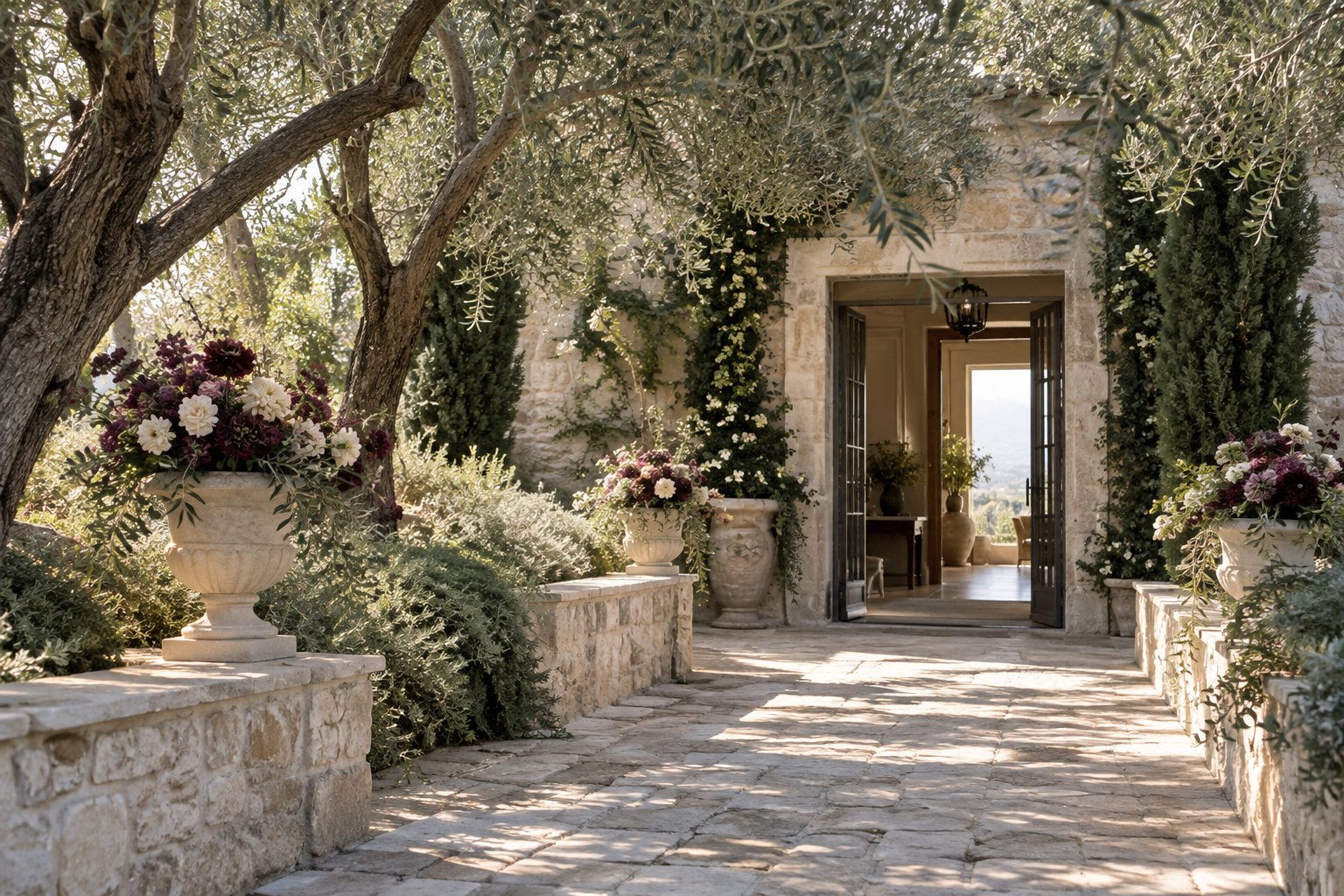
Visit the garden with arrival in mind. Start where a car or taxi would stop, then walk to the entrance, ceremony area, dining space and bathroom. Notice steps, loose gravel, slopes, low branches and dark corners. A lawn that looks flat in photographs may be difficult for someone using a mobility aid. Ask guests privately about access needs rather than making assumptions from age.
Discuss workable routes with the owner and relevant rental suppliers. If temporary flooring is proposed, ask who specifies and installs it. Keep service routes separate from seated guests where possible. A beautiful table position is less attractive if servers must squeeze behind every chair carrying hot plates. Sketch actual furniture footprints, including space to pull out chairs, instead of planning only from overhead inspiration images.
Arrange the ceremony around light and sound
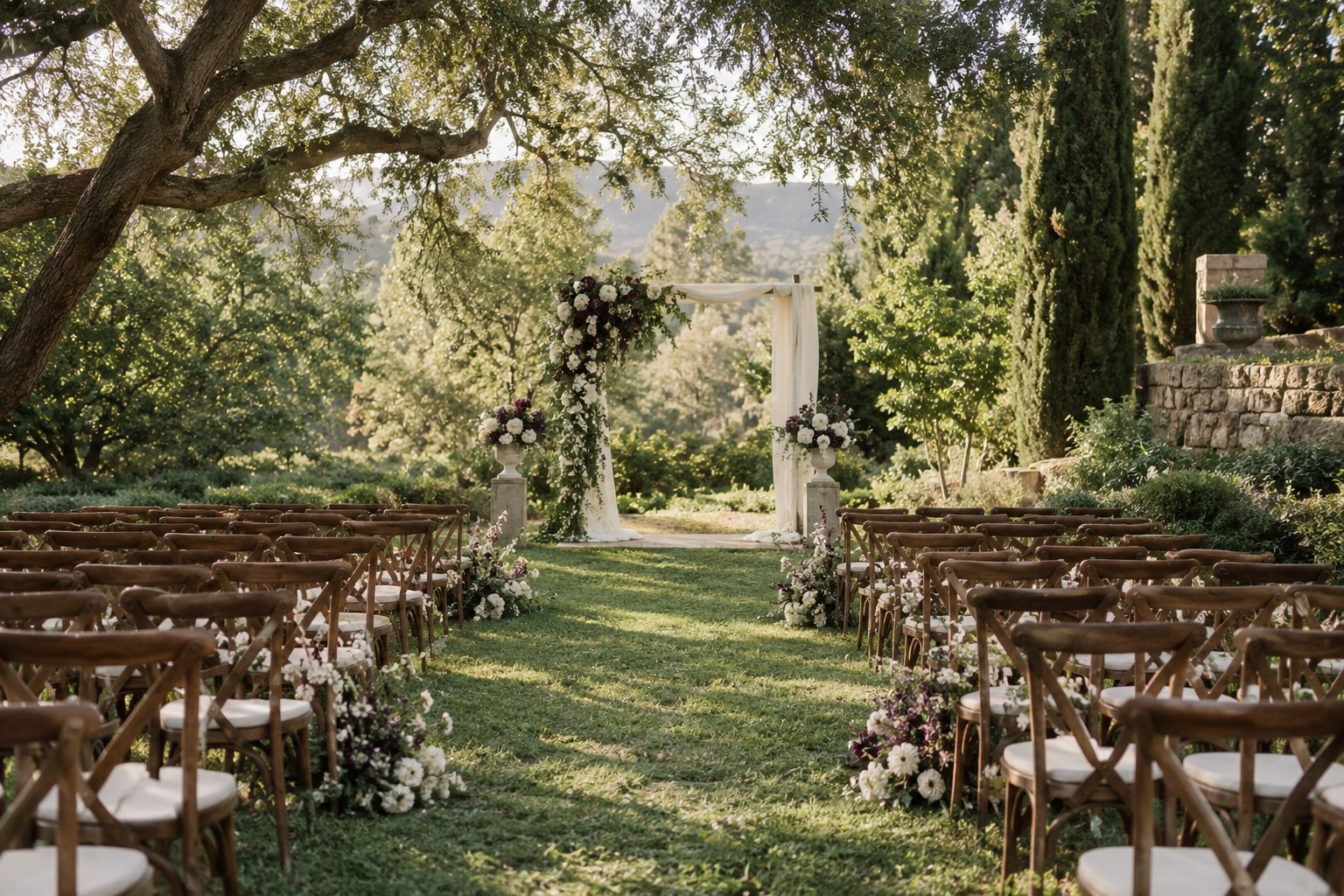
Stand where you intend to exchange vows at roughly the proposed ceremony time. Consider where the sun will fall and whether guests will be looking directly into it. Shade moves, and a tree that protects the space in the morning may not help later. Ask your photographer how the light affects both comfort and photographs, while keeping the guests’ ability to see the ceremony central.
Test ordinary speaking volume from the back row. Wind, nearby traffic and garden machinery can make a small gathering surprisingly hard to hear. Discuss microphones and power arrangements with your officiant or audio supplier. Avoid running loose cables across walking routes. If you include music, choose someone responsible for cues so a guest does not have to guess when to press play.
Give the weather plan a real decision point
“We will see how it looks” leaves too much work for the wedding morning. Identify the indoor alternative, its capacity and the time required to move furniture. Agree who can authorize the change and when suppliers need the answer. Your backup should preserve the important parts of the celebration, even if the visual arrangement is different. Show both layouts to the people responsible for setup.
Rain cover is not automatically safe shelter in a thunderstorm. The National Weather Service’s outdoor lightning guidance explains why a substantial building or appropriate vehicle matters. Ask the venue to explain its severe-weather procedure and how guests will reach shelter. A tent, an attractive tree and a hopeful forecast should not be treated as interchangeable safety options.
Choose a meal that the setting can support
Food service depends on more than the menu. Ask the caterer about preparation space, refrigeration, water, power, waste and the distance between the kitchen and tables. A family-style dinner may feel sociable, but it still requires a sensible service plan. A buffet needs a route that does not block the garden gate. Let the provider identify the equipment needed for safe, workable service.
Give dietary information early and confirm how meals will be identified on the day. Do not assume a vegetarian option covers every dietary need. Offer water where guests can reach it easily and make nonalcoholic drinks feel like a normal part of the celebration. If the ceremony and meal are far apart, plan a modest refreshment interval so guests are not waiting hungry while photographs continue.
Use fewer decorative ideas with more intention
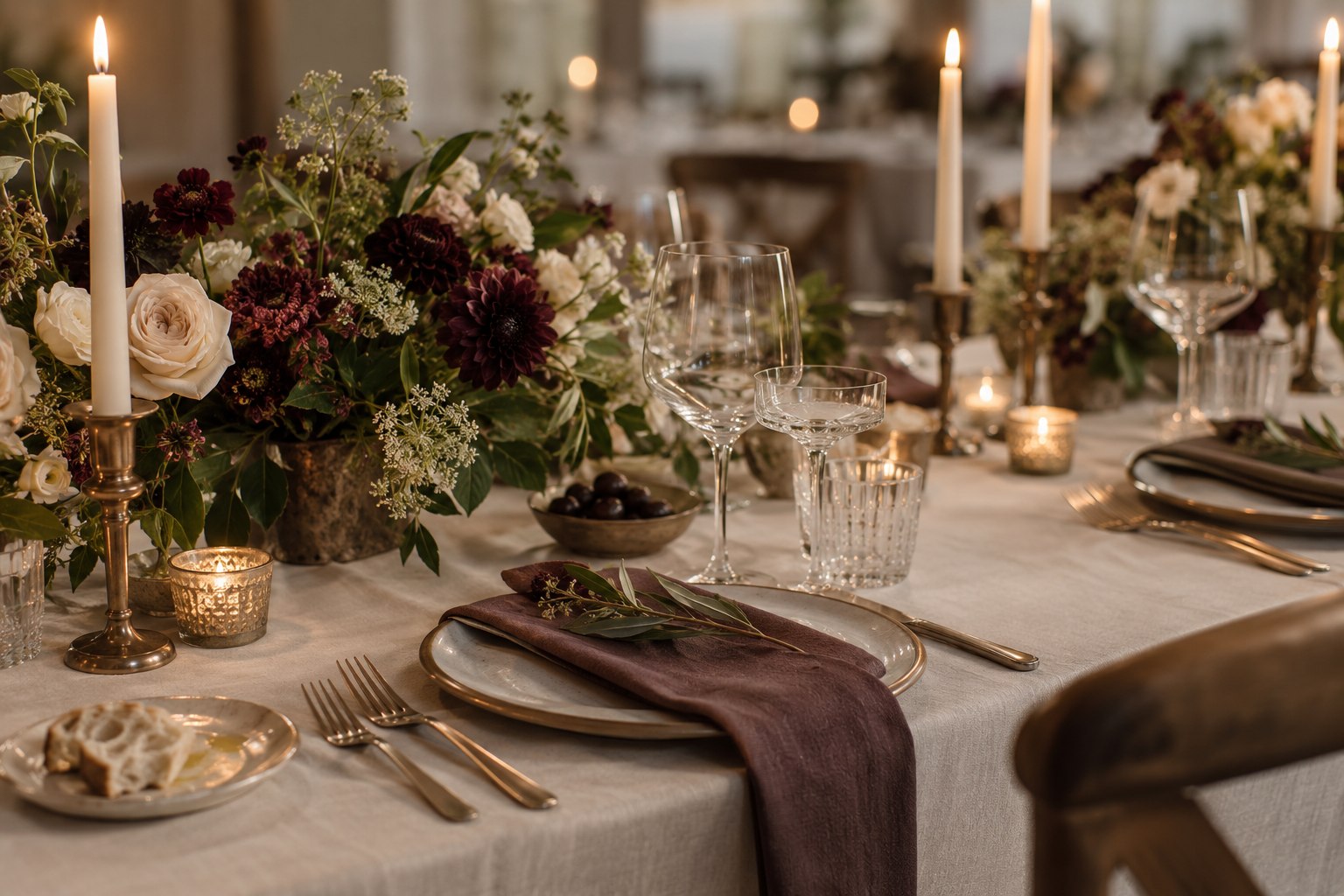
A garden already has texture, color and movement. Choose one element to emphasize rather than covering every surface. You might repeat a ribbon color, use low arrangements along the dining table or place a single floral feature behind the vows. Look at the real seasonal planting before deciding on a palette. Inspiration gathered in another climate may not match what is growing around you.
Ask your florist which flowers can handle the setting and when arrangements should be placed outside. Check wind exposure for candles, paper signs and lightweight stands. Borrowed objects still need transport, setup and collection, so “free” decor can create work. Keep a list of who owns each item and who will take it home. Fewer well-chosen pieces often produce a calmer setup.
Make hospitality visible in small details
Tell guests that the wedding is outdoors before they choose shoes and clothing. Provide an accurate description of the ground and a clear arrival time. If there is a long walk from parking, explain it in advance and discuss alternatives with the venue. Do not promise a step-free route until someone has checked it from beginning to end, including the bathroom and reception space.
Think about breaks as well as activities. A quiet seat away from speakers can help guests who want a conversation or a pause. Parents may appreciate knowing where they can step aside with a child. Keep any comfort items relevant to the actual setting instead of buying baskets of things nobody needs. Clear information and a thoughtful layout usually do more than decorative favors.
End with an easy departure and a clean handover
Arrange the last part of the day as carefully as the first. Confirm when music must finish, when rentals are collected and who handles rubbish. Tell drivers which gate to use after dark. Check that the route remains lit when decorative lights are switched off. If guests leave belongings during the ceremony, designate a place where they can collect them before departing.
A small garden wedding works when its scale lets you pay attention to people. Protect time for conversation, allow the setting to speak and make a few practical decisions early. For the next step, use our wedding day timeline guide to fit the ceremony, meal and departure into a schedule with room to breathe.
A useful question for your venue visit
Ask the owner to describe how a similar-sized event moves through the property, then compare that description with your plans. Where do guests gather during photographs? What happens when food arrives? Which part becomes crowded first? You are looking for operational detail, not a promise that everything is easy. If the garden has not hosted events before, allow more time to investigate services and local requirements.
Keep the answers in one shared note. Mark unanswered questions clearly and assign someone to follow up. A garden wedding becomes more manageable when assumptions become specific arrangements before rentals are ordered.
Keep one printed copy available during the final venue walkthrough so every supplier can discuss the same arrangement.